

You got the raise. The business is finally profitable. Money is coming in more consistently than it ever has before. So you upgrade — a nicer car, a bigger dinner out, a better vacation, a newer phone every year. You deserve it, right? You’ve worked hard.
And that’s exactly how Lifestyle Creep — one of the 7 Destroyers of Wealth — does its quietest damage. It doesn’t announce itself. There’s no bill, no late fee, no overdraft alert. It just slowly, steadily raises the floor of what you spend, until one day you realize you’re making more money than ever but still feel just as stretched.
In the Financial House framework, we talk about four pillars: Earn, Save, Grow, and Protect. Lifestyle Creep attacks the Save pillar directly. It turns your rising income into rising expenses instead of rising net worth. And for Canadian business owners and high-earning professionals, it’s one of the most insidious traps because it feels like success — not failure.
Let’s talk about what it really is, how to spot it, and how to protect yourself without living like a miser.
What Lifestyle Creep Actually Looks Like
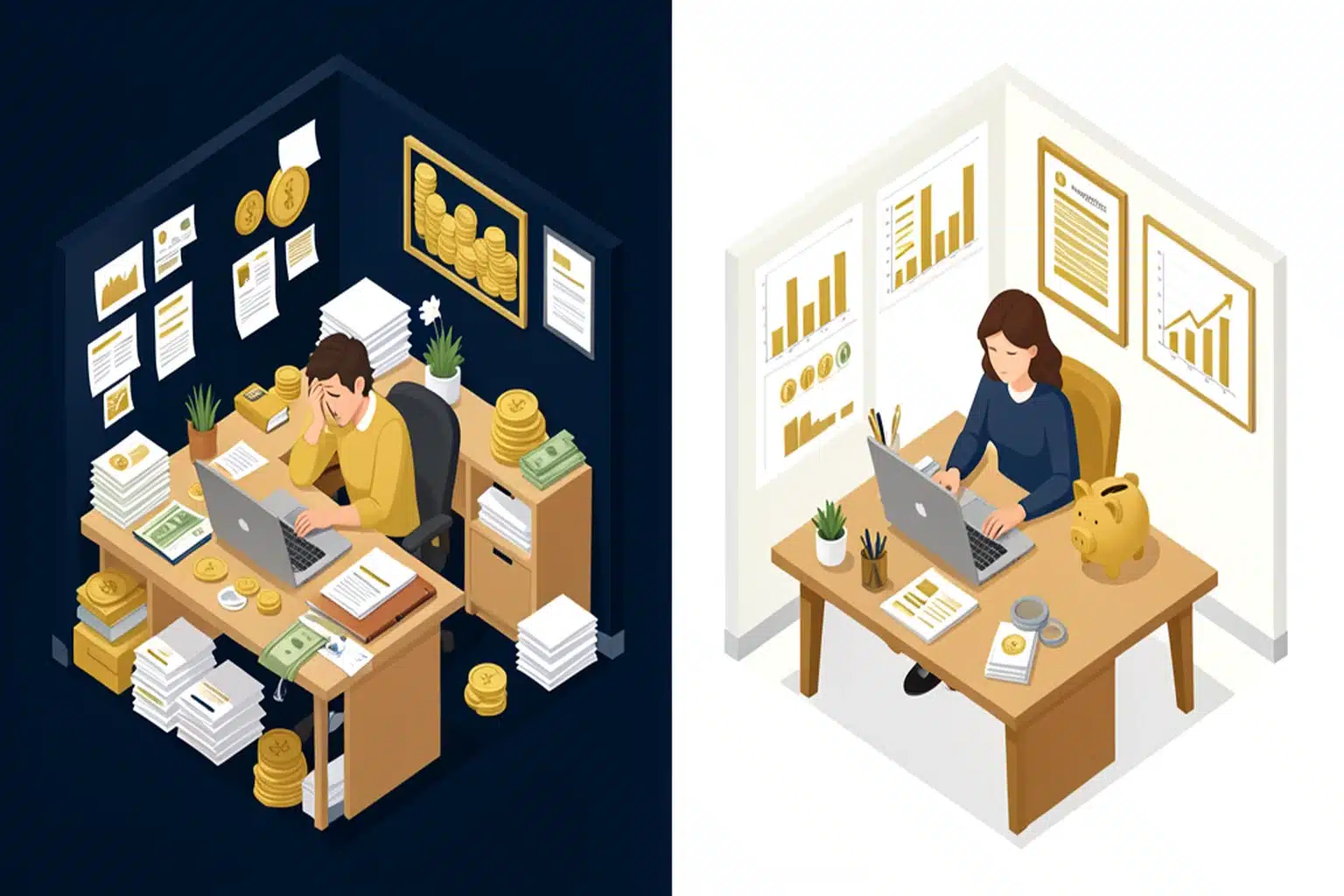
Lifestyle creep happens when your discretionary spending rises in lockstep with your income. It’s not a single purchase — it’s a pattern. And it’s incredibly common.
Here’s what it looks like in practice:
- Your coffee run goes from $2 to $6 because you’re “too busy” to make it at home
- Your car payment jumps from $400 to $900/month because you “deserve” something nicer
- Your weekly grocery bill doubles because you’ve stopped looking at prices
- Your cleaning service, meal delivery, and subscription services quietly multiply
- You start saying “it’s only $50 a month” about things you never thought you’d pay for
None of these are wrong in isolation. But together, they form a pattern that can silently consume thousands of dollars a month — money that could be building your net worth, funding your retirement, or protecting your family.
One of the most common reframes I use with clients is this: Every dollar you spend is a vote for what matters most to you. When you’re not intentional about where those votes go, lifestyle creep makes the decision for you.
Why Canadian Business Owners Are Especially Vulnerable
If you’re a business owner or incorporated professional, lifestyle creep has an extra weapon it can use against you: your corporate account.
It starts innocently. You use the business credit card for a “client dinner” that’s really just you and your spouse. The line between business expense and personal lifestyle blurs. The car gets leased through the company. The phone plan, the internet, the “home office” decor — all on the business tab.
On one level, this seems smart. You’re using pre-tax dollars. But the trap is that you never actually feel the cost of these decisions, so you have no natural governor on how much you spend. The Grow pillar of the Financial House — the part that builds real wealth over time — gets sacrificed because every marginal dollar is already spoken for by an upgraded lifestyle.
And here’s the kicker: when you retire or sell your business, that lifestyle doesn’t shrink. You’ve built a life that costs $15,000 a month to maintain, but your retirement income is based on a 4% withdrawal rate from what you actually saved — not what you earned at your peak.
I’ve seen too many high-earning professionals reach age 55 and realize they have a six-figure lifestyle but only a mid-five-figure retirement income. That gap is lifestyle creep in action.
The 7 Destroyers Framework: Where Lifestyle Creep Fits
Within the 7 Destroyers of Wealth, Lifestyle Creep sits alongside Emotional Decision-Making and Not Knowing Your Numbers as one of the most common — and most avoidable — threats to financial security.
What makes it so dangerous is that it’s socially reinforced. Your friends upgrade, so you upgrade. Your colleagues drive nicer cars, so you feel pressure to do the same. The culture of entrepreneurship often celebrates visible consumption — the corner office, the new Tesla, the expensive watch — as symbols of success.
But real wealth is invisible. It’s the growing portfolio. The paid-off house. The fully funded RESP. The retirement account that’s on track to replace your income at 60, not 75.
As I wrote in Commission Based Advisor Alternatives That Fit You, the financial industry has long profited from keeping people focused on what they can see — fees, commissions, products — rather than what actually builds wealth over time. Lifestyle creep is the same story playing out in your personal spending.
How to Spot Lifestyle Creep Before It’s Too Late
The good news is that lifestyle creep is measurable. You don’t have to guess whether it’s happening to you. Here’s a simple diagnostic:
- Track your baseline. Go back 12 months and look at your total spending. Then compare it to 12 months before that. If your spending grew faster than your income (or faster than inflation), you have lifestyle creep.
- Check your savings rate. Your savings rate — the percentage of after-tax income you save and invest — is the single best metric for financial health. If it’s been dropping even as your income rises, lifestyle creep is almost certainly the cause.
- Audit your subscriptions. Most people are paying for 3-8 subscription services they don’t actively use. Streaming platforms, software tools, gym memberships, meal kits — they add up fast.
- Look at your “just because” spending. How much money leaves your account each month for things you didn’t plan to buy? That’s the purest form of lifestyle creep.
This connects directly to the Know Your Numbers destroyer. If you don’t know your burn rate, you can’t manage it. And if you can’t manage it, lifestyle creep will manage it for you.
Fighting Back Without Feeling Deprived
Here’s what most people get wrong about fighting lifestyle creep: they think it means cutting everything and living frugally. That’s not sustainable, and it’s not the point.
The goal isn’t deprivation. The goal is alignment — making sure your spending reflects what you actually value, not what your habits, peers, or advertising have trained you to want.
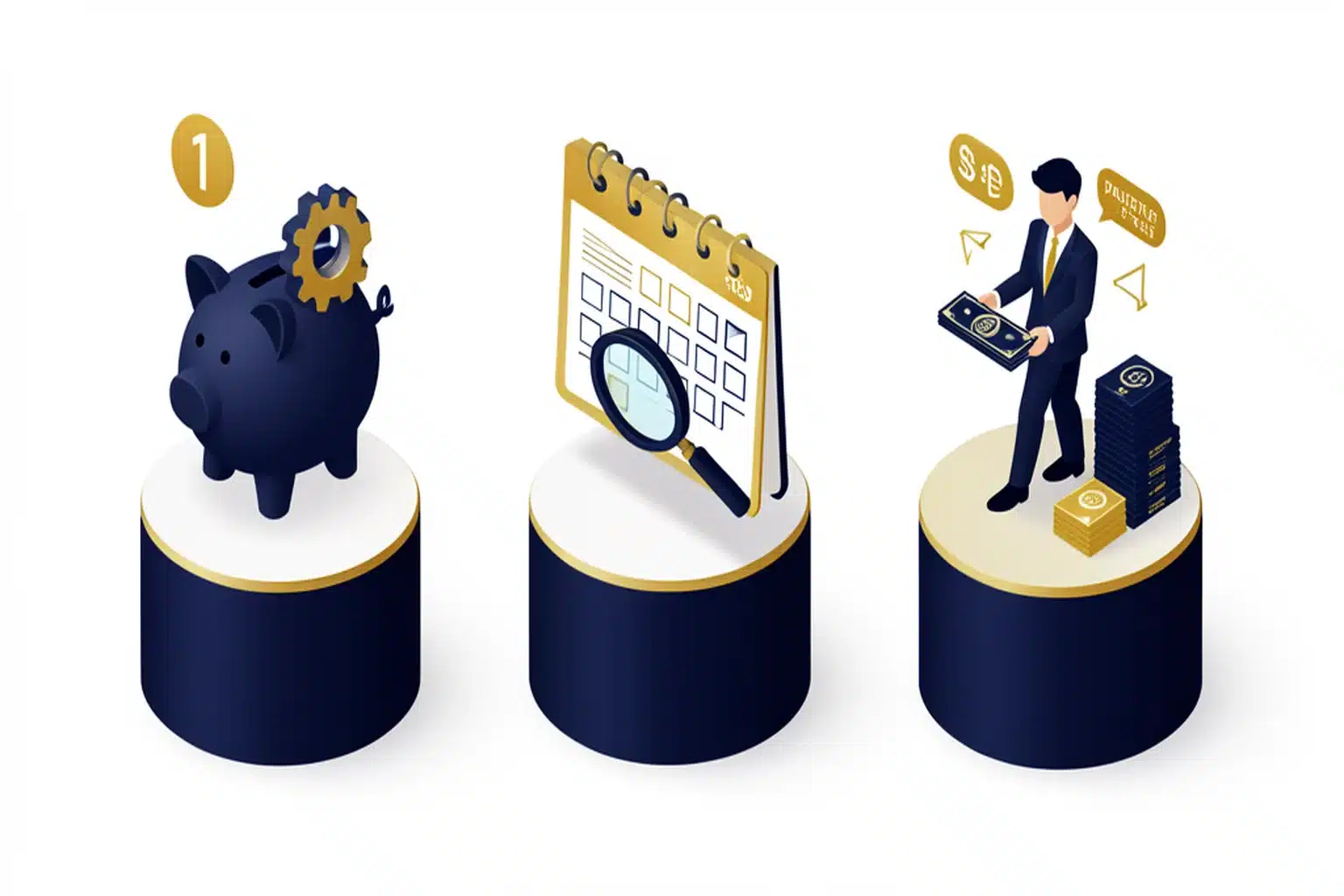
Here are three strategies that actually work for Canadian business owners:
1. Automate Your Savings First
Before you can spend a dollar of your raise or your business profit, move a fixed percentage into savings and investments. If the money never hits your chequing account, you can’t spend it. This is the Pay Yourself First principle, and it’s the single most effective antidote to lifestyle creep. Set up automatic transfers on the same day your income arrives. Make it non-negotiable.
2. Create a “Lifestyle Cost” Budget
Give yourself permission to spend on what matters — but know what it costs. If you want to drive a nicer car, fine. But calculate the actual monthly cost (payment, insurance, fuel, maintenance) and compare it to what you’re investing. If your car costs more per month than your retirement contributions, you have a misalignment.
3. Review Quarterly, Not Annually
Annual reviews are too late. Set a recurring calendar reminder every three months to review your spending against your income. Look for the slow creep — the new subscription, the upgraded insurance, the higher restaurant average. Catch it while it’s small, and adjust before it compounds.
For a deeper look at how to structure your finances so you’re not constantly fighting these battles, check out Cash Flow Planning for Entrepreneurs That Works. It walks through the systems that keep your Earn, Save, Grow, and Protect pillars in balance.
What the Financial House Has to Say About Lifestyle Creep
In the Financial House framework, the Save pillar is the foundation of everything else. You can’t Grow what you haven’t saved. You can’t Protect assets you never built. And you can’t Earn your way to wealth if every extra dollar gets spent before it has a chance to work for you.
Here’s a simple thought experiment: imagine you earn $150,000 a year and spend $140,000. You’re saving $10,000. Now imagine you earn $200,000 — and spend $195,000. You’re saving $5,000. You’re earning more, but you’re getting poorer. Your net worth is growing slower than when you made less.
That’s lifestyle creep. And it’s exactly why the 7 Destroyers framework puts it alongside debt and lack of a plan as a major threat to long-term wealth.
The antidote isn’t a budget spreadsheet with 47 categories. It’s a simple rule: when your income goes up, your savings rate goes up too. If you were saving 10% at $100,000, save at least 15% at $150,000. You still get the lifestyle upgrade — just not the full amount. Your future self gets the rest.

Start Before the Next Raise
Lifestyle creep is easiest to prevent before it starts. The moment you know a raise, a bonus, or a profitable quarter is coming, decide in advance what percentage will go to savings, investing, and taxes. Whatever’s left is your lifestyle upgrade budget.
If you’re already in the middle of it — and most people are — don’t panic. The fix isn’t dramatic. It’s just intentional. Start with one category. Audit your subscriptions. Automate your savings. Review your numbers quarterly.
You didn’t build your business or your career by accident. Don’t let your wealth disappear by accident either.
Not sure where you stand? Take the 2-minute Financial House Assessment and get your personalized report — free.
Want to go deeper? Check out
Essentials of Money ($50),
The Wake Up Call ($50), or
book a free discovery call.