
You know the feeling. The market drops 8% in a week and your stomach drops with it — so you sell, just to “protect what you have.” A few months later it’s back up 12%, and you’re kicking yourself. Or the opposite: a hot new opportunity pops up on social media, everyone’s talking about it, and you move money in fast because you’re terrified of missing out.
Neither move was based on your plan. Both were based on your emotions. And for Canadian business owners, that’s not a small problem — it’s one of the quietest and most expensive habits in personal finance. It’s also one of the 7 Destroyers of Wealth: emotional decision-making.
Over my years helping business owners and high earners build real financial independence, I’ve watched smart, successful people make terrible money decisions — not because they didn’t know better, but because they made the decision in the wrong moment, with the wrong brain. The good news? Once you see the pattern, you can build a system that removes your feelings from the driver’s seat. Here’s how.
Emotional Decision-Making: The Destroyer You Don’t See Coming
In the Financial House framework, every dollar you earn flows through four rooms: Earn, Save, Grow, and Protect. Your business is the engine in the Earn room. But the Destroyers are the termites in the walls — and emotional decision-making is the one that eats away at every room at once.
Think about it. A panicked decision in the Grow room (selling investments low) hurts your future. A rushed decision in the Save room (an expensive “must have” purchase) hurts your reserves. An avoidant decision in the Protect room (putting off insurance or an estate plan) leaves your family exposed. One emotional reaction can undo months of disciplined work in a single afternoon.
And here’s the uncomfortable truth: business owners are more vulnerable to it than most. You’re used to trusting your gut — it got you this far. You make decisions fast, you bet on yourself, you act while others deliberate. Those instincts built your business. But money decisions follow a different set of rules, and the instincts that make you a great entrepreneur can quietly make you a terrible investor.
How Fear and Greed Show Up in Your Business
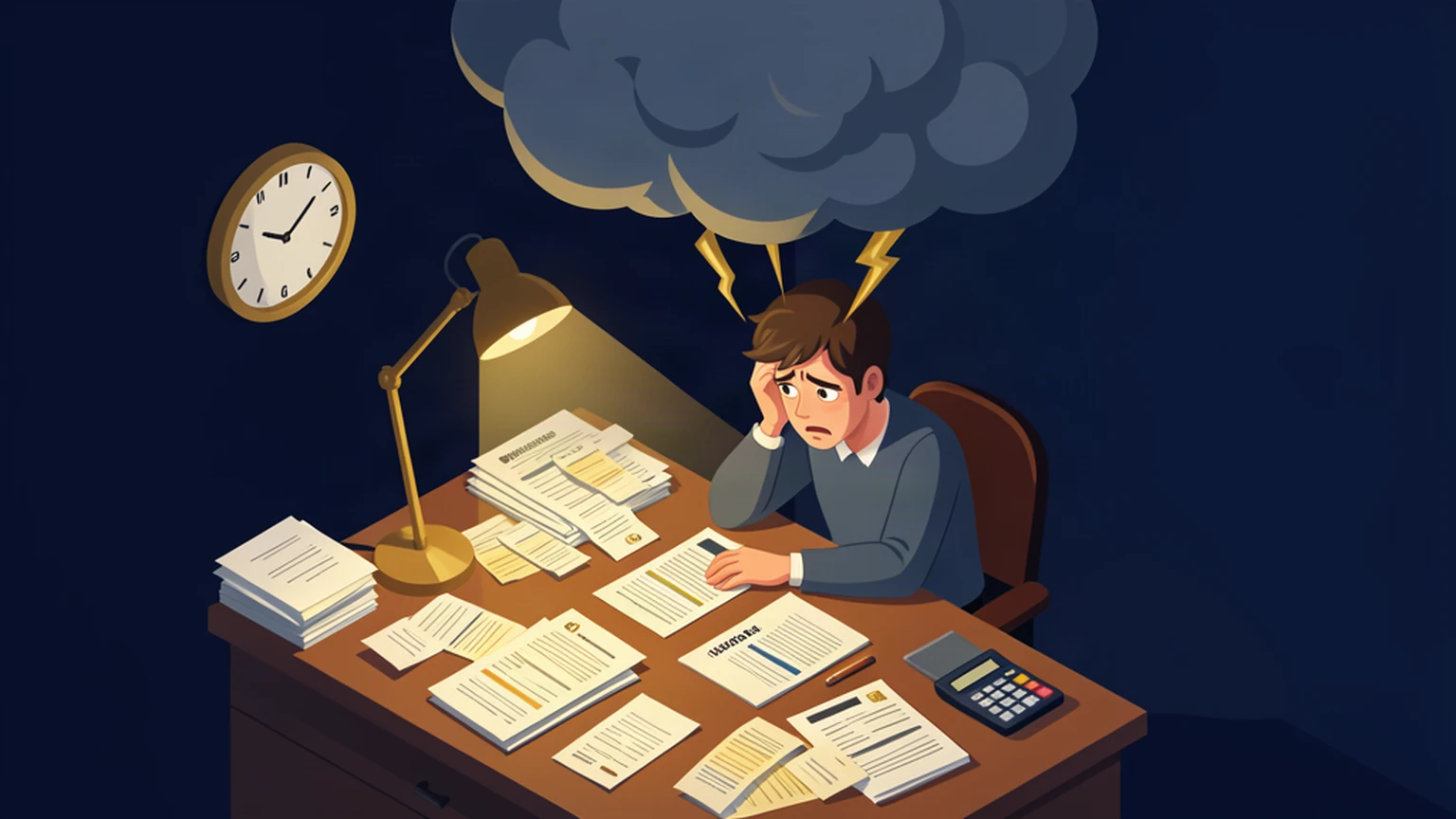
Emotional money decisions usually come in two flavours, and most of us have a favourite. Fear-driven decisions happen when something drops or threatens: a market correction, a client that leaves, a tax bill that’s bigger than expected. The reaction is usually the same — do something, anything, to feel in control again. Sell low. Cancel the plan. Hoard cash at the wrong time.
Greed-driven decisions are the flip side: FOMO, shiny-object syndrome, the fear of missing the next big thing. A friend tells you about a “sure thing.” A guru promises 20% returns. You’re about to invest, expand, or borrow — and the only number you’re looking at is the upside.
Here’s the pattern worth noticing: fear makes you act too fast, and greed makes you act too fast — in the opposite direction. Both of them skip the step where you actually think. Both of them feel urgent. And urgency is the tell. When a money decision feels urgent, that’s your warning light that emotion is driving, not logic.
If this is landing a little too close to home, you’re in good company — it’s one of the most common patterns I see. The good news is that you don’t need a psychology degree to fix it. You need a system. (If you want to go deeper on the psychology behind these habits, this piece on money mindset for wealth building is worth a read.)
Why Your Brain Is Working Against You
It helps to know you’re not broken — you’re wired this way. Your brain is designed to keep you safe from threats, and it treats a market dip like a predator. That’s why a 5% drop in your portfolio can feel physically uncomfortable, even when your plan says 20% corrections happen roughly every couple of years.
Loss aversion is a big part of it: losing $1,000 feels roughly twice as painful as gaining $1,000 feels good. So your brain pushes you to avoid losses at almost any cost — which is exactly how people end up selling at the bottom. And once you’ve felt that pain, the memory makes the next dip even scarier, even when the facts say staying invested is the statistically better move.
Add in a non-stop news cycle, social media feeds full of screenshots of gains, and a market that’s designed to grab your attention, and you have a perfect storm. Your attention is being monetized, and every view, like, and headline is nudging you toward an emotional decision. That’s not a conspiracy — it’s just how attention works. Knowing that changes what you choose to watch.
What a Disciplined System Looks Like
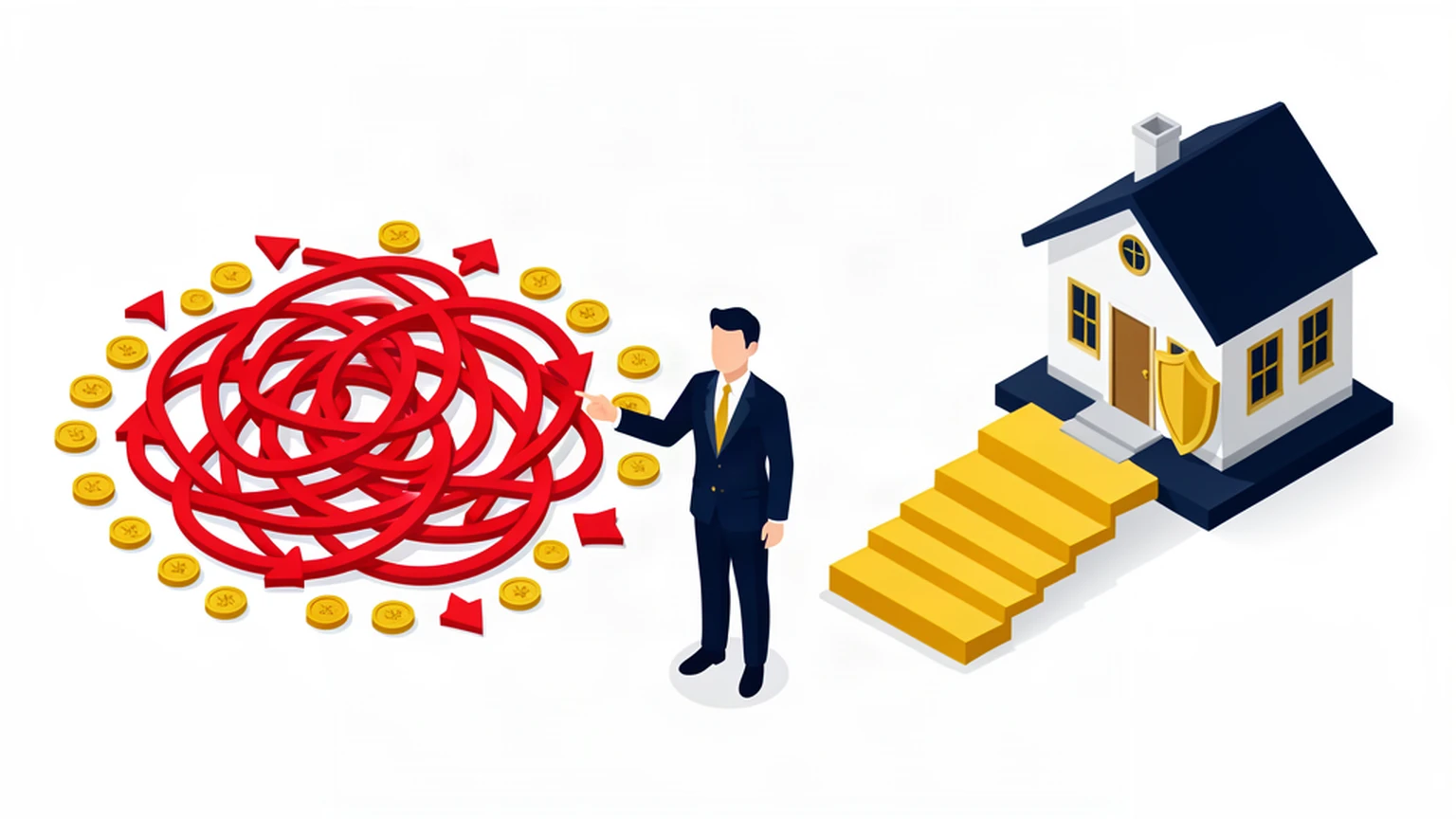
So how do you take your emotions out of the equation without becoming a robot? You build rules in advance, when you’re calm, and you follow them when you’re not. Financial advisors call this a decision framework; I call it making the right decision before you need it.
Start with the four rooms of the Financial House and give each one a rule:
- Earn. Decide in advance how much of your profit stays in the business for growth and how much comes out to you — and when. Don’t decide based on how the quarter felt.
- Save. Set an automatic transfer the day money lands. Pay yourself first, every single time, regardless of mood. (Need a reason to build this cushion? Here’s why every entrepreneur needs a business cash reserve.)
- Grow. Write your investment plan down — how much, how often, and what you’ll do (and won’t do) in a correction. The market doesn’t care about your feelings, so your plan shouldn’t either.
- Protect. Review your insurance, your will, and your estate plan once a year, at the same time every year. Not in a panic after something happens — on the calendar before it does.
The key is that these rules are set when you’re level-headed. When the market drops, you don’t have to decide anything. You just follow the rule you already made. That’s the whole trick — and it works because you’re no longer negotiating with a panicked brain in the moment.
The One Habit That Changes Everything
If you only take one thing from this post, make it this: add friction to big money decisions.
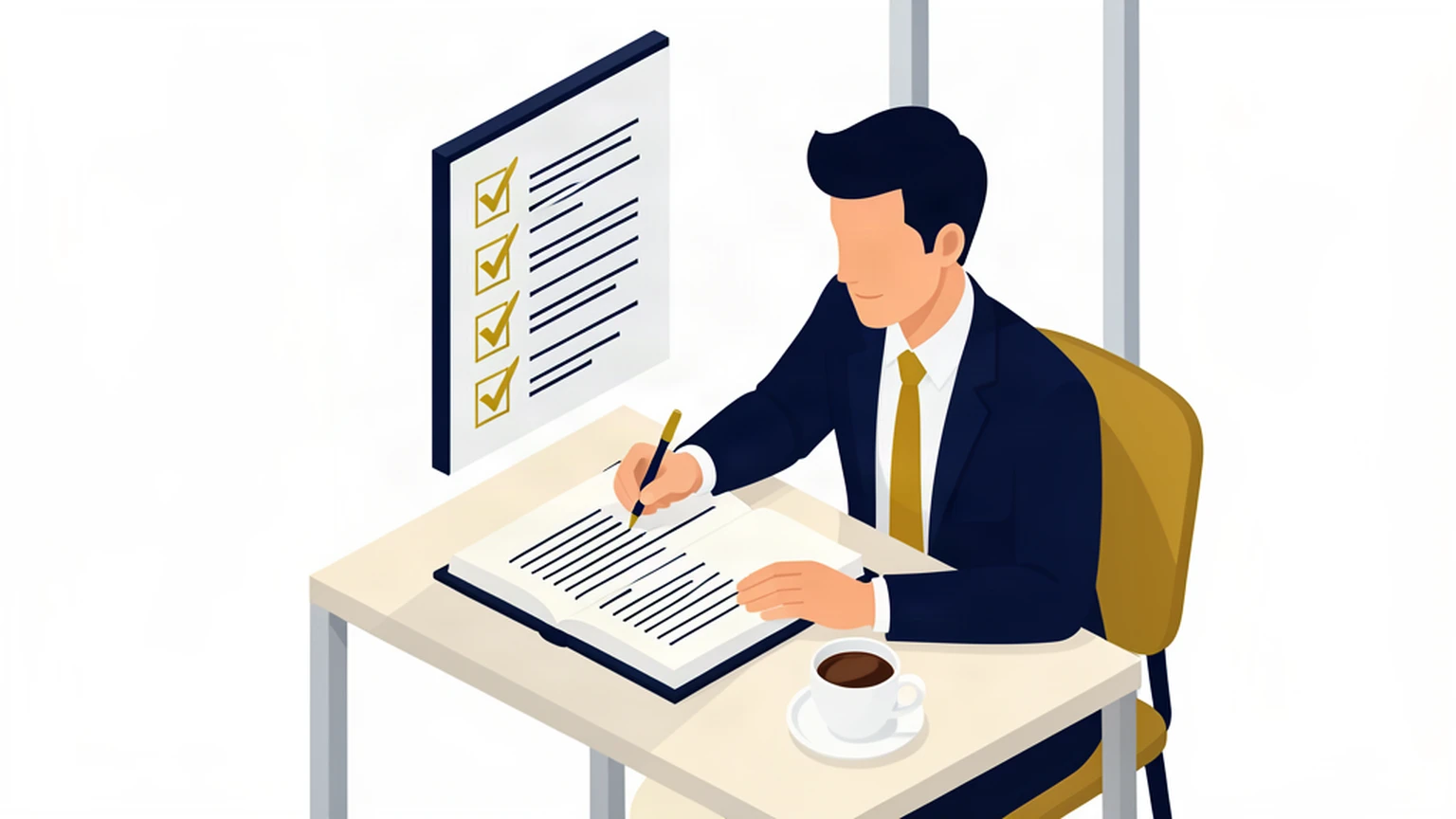
The simplest version is a 24-hour rule. Any financial decision over a set amount — say $1,000, or whatever feels significant for you — doesn’t get made today. It gets written down, slept on, and made tomorrow. If it’s still a good idea tomorrow, it’ll still be a good idea then. Urgency is almost never real. And the act of waiting is the difference between a decision and a reaction.
Even better, keep a small decision journal. Before you move any meaningful money, write down three things: what you’re doing, why you’re doing it, and how you’ll feel about it in six months. Then sign and date it. You’d be amazed how many “brilliant” ideas sound different written down in black and white, with a signature on the bottom.
I’ve watched this one habit save people more money than almost any investment strategy ever could. Not because it’s clever, but because it stops the leaks — the small, emotional, “I’ll just” decisions that quietly drain wealth over years. If you’d like to build a more complete approach to thinking before you act, this guide to improving your financial decision-making walks through it step by step.
Automate It So You Don’t Have to Be Strong
Here’s the part that makes everything else easier: the best decisions are the ones you never have to make at all. Every dollar you can move on autopilot is a dollar your emotions can’t touch.
Set up your TFSA and RRSP contributions to come out the day you get paid — automatically. Build your business cash reserve with a scheduled transfer, not a “when things are good” intention. Rebalance your investments on a fixed date once a year, in your calendar, instead of waiting for a news headline to remind you. None of this requires willpower, because you’ve already made the decision. The system executes it for you, calmly, every time.
This is why I’m such a believer in the Financial House as a framework rather than a set of tips. A house doesn’t need you to remember to keep its foundation level — it’s built level from the start, and the structure does the work. Your money deserves the same. Build the structure once, when you’re calm, and let it hold you up on the days you’re not.
For Canadian business owners, that also means separating your business and personal money so the panic in one doesn’t spill into the other — a simple step that removes a surprising amount of emotional pressure from everyday decisions.
The Bottom Line
Emotional decision-making is one of the 7 Destroyers of Wealth because it’s invisible and universal. Nobody loses money on purpose. People lose money on impulse — and the difference between the two is a system.
You don’t need to be perfect. You just need to decide the important things in advance, add a little friction to the big ones, and trust the plan you made when you were calm over the panic you feel in the moment. That single shift — from reacting to following a plan — is what separates people who build wealth from people who keep giving it back.
You’ve already built the hardest part: a business that earns real money. The next step is making sure your feelings don’t quietly give it away.
Not sure where you stand? Take the 2-minute Financial House Assessment and get your personalized report — free.
Want to go deeper? Check out Essentials of Money ($50), The Wake Up Call ($50), or book a free discovery call.