
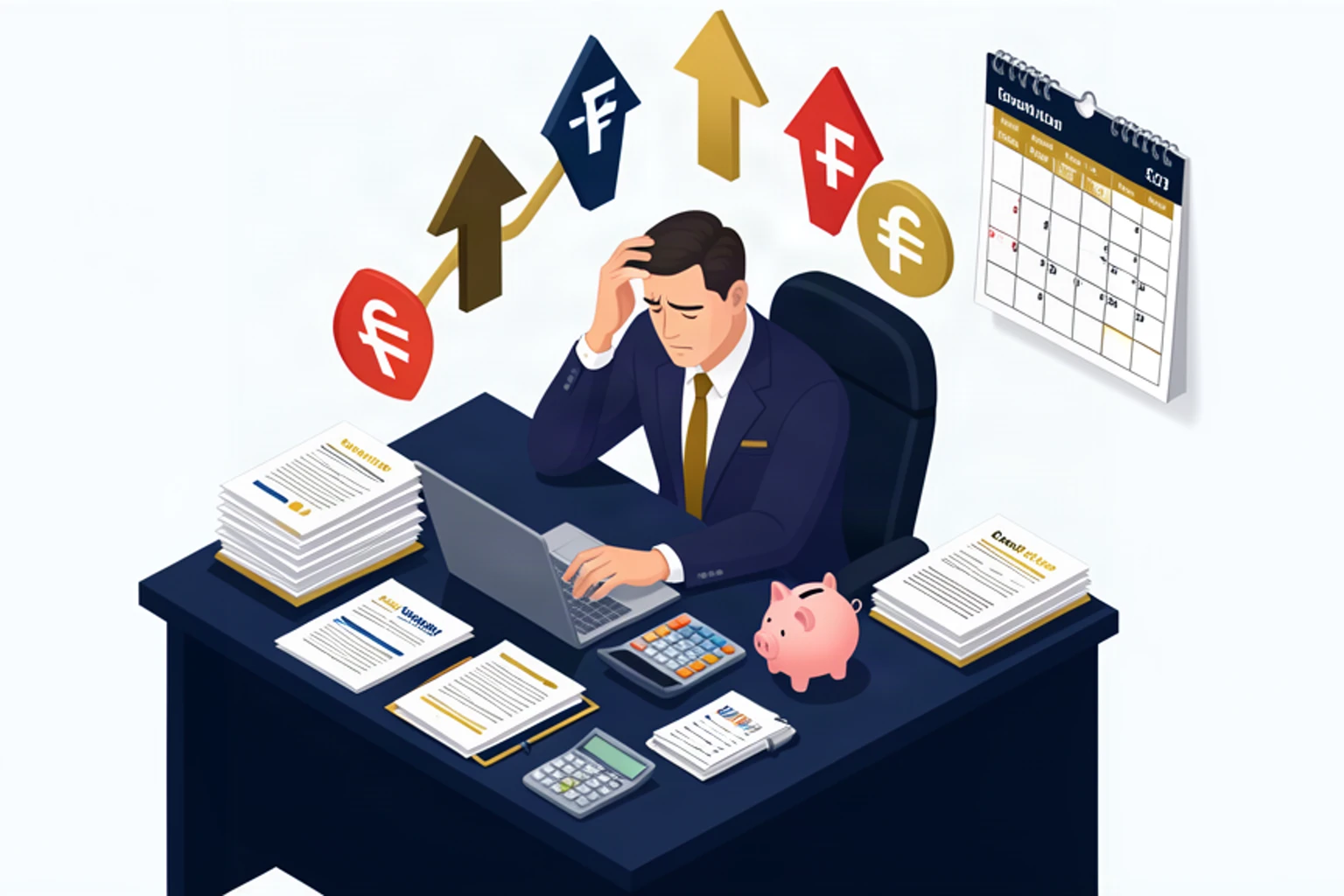
You’ve seen the headlines. Gold keeps hitting record highs. Your uncle who bought silver in 2020 won’t stop talking about it. And every second financial video in your feed is telling you the dollar is doomed and you need to buy gold now.
If you’re a Canadian business owner, this hits a nerve. You’ve built something real. You’ve worked for years. And you watch your savings sit in a bank account quietly losing purchasing power, while inflation makes that healthy balance feel smaller every single year. When gold is soaring and everyone around you seems to be getting rich, the temptation to jump in is real.
So let’s deal with it calmly. Gold and silver are one of the Five Methods of wealth building I teach — but they are not a get-rich-quick scheme. Used properly, they’re a small insurance policy inside a bigger plan. Used wrong, they’re a way to lose money on fees, storage, and bad timing. Here’s how to use them the sane way.
Why Gold and Silver Keep Showing Up in Every Conversation
Gold makes headlines for a reason. It has five thousand years of history as a store of value. It doesn’t pay dividends. It doesn’t earn interest. Its entire job is to preserve wealth when other things wobble — when inflation runs hot, when currencies lose ground, when markets get ugly, when governments and central banks start printing money to solve problems.
That’s why it’s one of the Five Methods. It’s not the fastest-growing method, and it’s not supposed to be. It’s the one that sits in the background and quietly holds its value while everything else does the heavy lifting. In my framework, the Five Methods are Real Estate, Insurance, Gold & Silver, Bitcoin, and Business — and each one has a job. Gold and silver’s job is preservation, not excitement.
Here’s the trap: people buy at the top out of fear and expect to get rich. They see a spike on the news, panic about inflation, and dump a huge chunk of savings into gold at the worst possible moment. Then the market calms down, gold goes flat for three years, and they’re stuck with an asset that did nothing while they needed cash for payroll. That’s not investing — that’s chasing. Gold and silver punish chasers.
Where Precious Metals Fit in the Financial House
Before we talk about buying anything, let’s talk about order. The Financial House has four pillars: Earn, Save, Grow, and Protect. Gold and silver live in the Grow pillar, and they only make sense once the rest of the house is standing.
That means the foundation comes first: a business cash reserve big enough to sleep through a slow quarter (here’s how to build your business cash reserve). High-interest debt gone. Real protection in place — disability, critical illness, life insurance for the people depending on you. And a simple, boring, diversified investment portfolio in your TFSA and RRSP before you ever touch metals.
If those pieces aren’t in place, gold is a distraction. It’s the same principle as the rest of my teaching: you don’t add a fancy new tool to a house that doesn’t have a roof. Metals are a seasoning, not the meal.
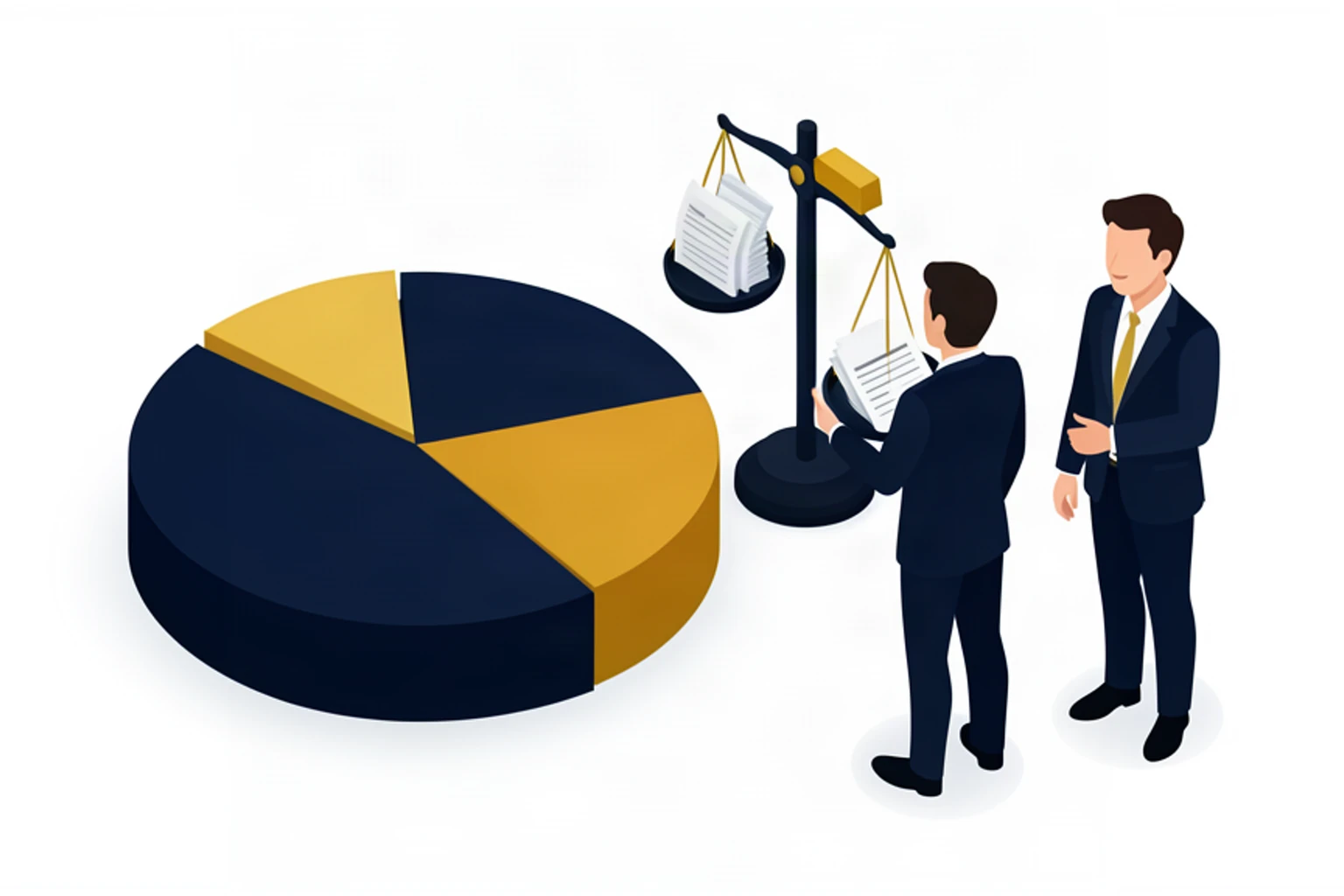
So where exactly do they fit? In the Grow bucket, sized small enough that they can never threaten the rest of the house. The common-sense range is 5% to 10% of your investment portfolio — most conservative advisors say 5%, some say 2% to 3%. The exact number matters far less than the discipline. Decide the size first. Write it down. And never let a spike in the news talk you into more.
Physical Gold or ETFs: The Practical Canadian Choices
Once you’ve decided on the size, you have two sane ways to own metals in Canada.
Option one: physical bullion. Canadian Maple Leaf coins, silver Maple Leafs, small bars from a reputable dealer. The advantage is the feeling of holding the real thing — gold you can touch, that no bank or server can erase. The costs are real too: dealer spreads (you pay more buying than you get selling), storage, insurance, and the fact that selling fast usually means a haircut. If you go this route, buy from established dealers, keep every receipt, and store it somewhere safe — a home safe or a safety deposit box.
Option two: precious metals ETFs inside a registered account. Gold and silver ETFs (think CGL, CGL-C, or MNT in Canada) trade like stocks. You can hold them inside your TFSA or RRSP, there’s no storage, no dealer spread, no risk of the coins sitting in a drawer. And inside a TFSA, any growth is completely tax-free.
For most business owners I work with, I steer them toward the ETF route first. It’s simpler, cheaper, and it lets the metals sit quietly inside the same accounts as the rest of their portfolio. If you already have a TFSA vs RRSP strategy, an ETF is the easiest way to add a metals position without building a whole new system.
Physical gold has its place — it’s the ultimate “insurance you can hold.” But it belongs later, once the ETF position is built and the rest of the house is solid.
The Warning List: What Not to Do
Where people get hurt with gold and silver is almost never the asset itself. It’s the way they buy it. Here’s the list I give every client:
- No leverage. Never borrow money to buy gold. Never use margin. Precious metals are volatile enough on their own; leverage turns a normal dip into a forced sale.
- No mining stocks pretending to be gold. A gold mining company is a business with costs, management, and stock market risk. It can drop when gold rises. If you want gold, own gold.
- No futures, CFDs, or exotic contracts. These are trading instruments, not wealth building. They’re how people lose their savings in a month.
- No deferred delivery schemes. If someone wants you to pay for gold they’ll “deliver later” or “store for you” at a promised return — that’s a scam pattern. Cold callers promising guaranteed gold returns are cold callers.
- No panic buying. If you’re buying because a video scared you, you’re late. The disciplined buyer buys on a schedule, not on adrenaline.
This warning list is really about one of the Seven Destroyers of Wealth: bad advice. Precious metals attract more bad advice than almost any other asset class, because fear sells. The quiet version — a small, boring, capped position bought on a schedule — attracts nobody’s attention, and that’s exactly the point.
The Five Rules That Keep Gold and Silver Safe
If you want a simple operating manual, here it is:
- Rule one: cap it at 5% to 10%. Decide the ceiling before you buy anything. It’s a position, not a mission.
- Rule two: dollar-cost average. Buy in small monthly or quarterly steps instead of all at once. You’ll catch some highs and some lows, and you’ll never have terrible timing.
- Rule three: hold for the long game. Think ten to twenty years. Metals are insurance; insurance doesn’t get traded. If you can’t hold it for a decade, don’t buy it.
- Rule four: keep records for the CRA. When you sell physical gold or silver for a profit, half of that gain is taxable as a capital gain in Canada. Inside a TFSA, gains are tax-free. Keep your purchase receipts either way — you’ll need them to calculate what you owe.
- Rule five: ignore the noise. The people screaming about financial collapse have been screaming for decades. A small position means you never have to listen — you’re already covered either way.
What This Looks Like for a Real Business Owner
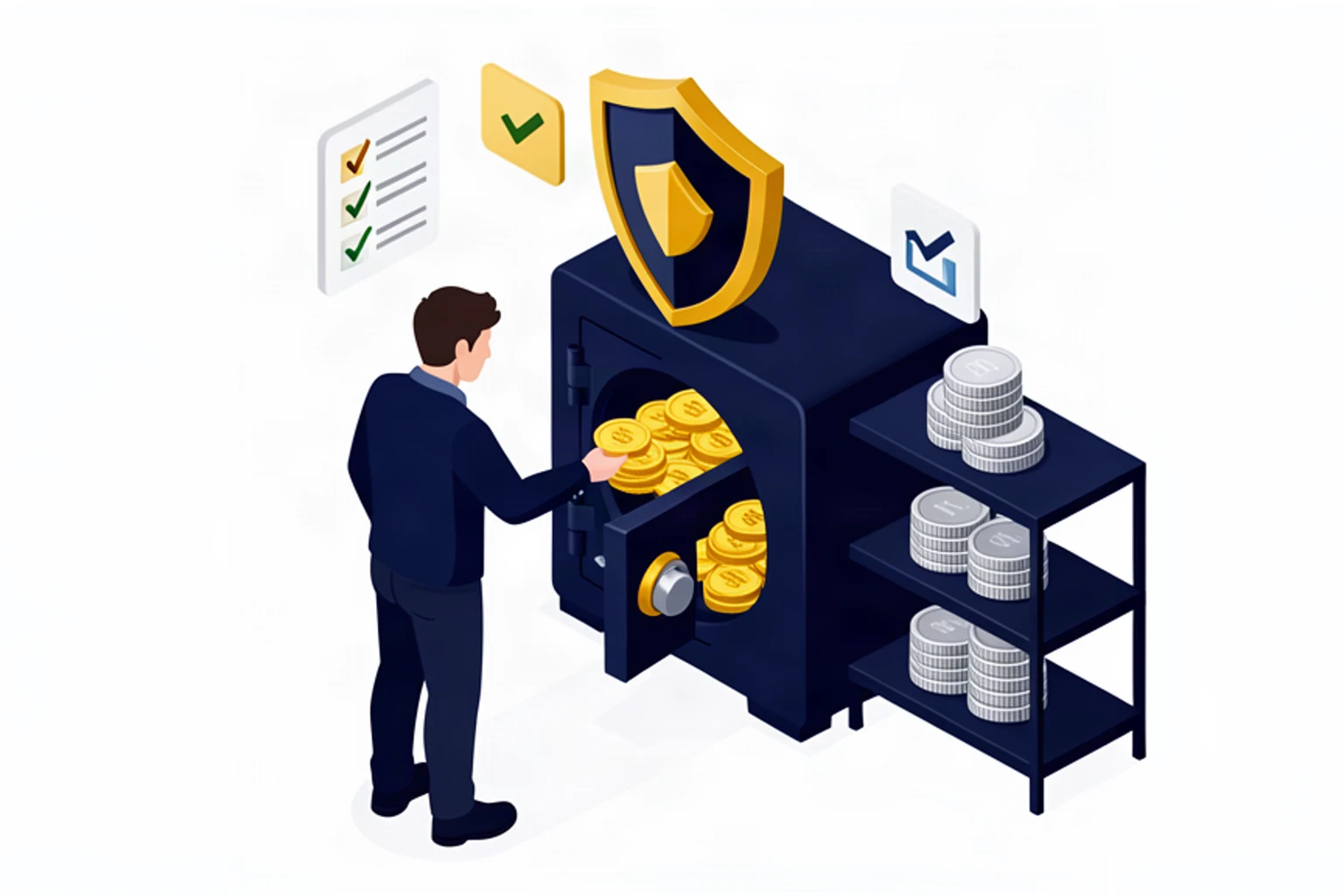
Let’s make it concrete. Take a 45-year-old business owner with $200,000 in investments across an RRSP, TFSA, and non-registered account. At a 5% allocation, that’s $10,000 toward precious metals — not life-changing money, and that’s the point.
Instead of one lump purchase, they buy a gold ETF inside their TFSA in monthly steps of $800 to $1,500 over six to twelve months. Total position: 5% of the portfolio. Storage: zero. Tax on growth: zero. Time required: about twenty minutes a month. In twenty years, if gold does well, the position grows with the rest of the portfolio. If it doesn’t, it was only ever 5%, and the other 95% carried the retirement.
Now compare that to the person who watches one video and puts 30% of their savings into gold because the crash is “definitely coming.” That person isn’t diversified — they’re gambling their retirement on a prediction nobody can make. That’s another Destroyer in action: fear and greed, the exact emotional pattern that empties savings accounts.
The size is the strategy. Gold and silver can’t hurt you at 5%. They can only hurt you when you let fear decide how much to buy.
The Bottom Line
Gold and silver are one of the Five Methods, but they’re a seasoning, not the meal. The meal is the Financial House: earn more, save consistently, grow sensibly, and protect what matters. When metals are a calm, capped, boring 5% of your portfolio, they quietly do their job as the wealth-preservation method they were always meant to be. When they become a bet, they’re a Destroyer in disguise.
If you’re not sure how much of your money belongs in any of the Five Methods — or whether your money is even in the right order — that’s exactly what we should sort out before you buy a single coin. Start with the basics, build the house, and let gold and silver be what they were always meant to be: the small piece of insurance that lets you sleep at night.
Not sure where you stand? Take the 2-minute Financial House Assessment and get your personalized report — free.
Want to go deeper? Check out Essentials of Money ($50), The Wake Up Call ($50), or book a free discovery call.